Article summary
UniSource Energy Services provides safety tips for vacation or second homes, including maintaining carbon monoxide detectors, managing thermostats, ensuring proper airflow and safely operating gas appliances to protect property and occupants while away.
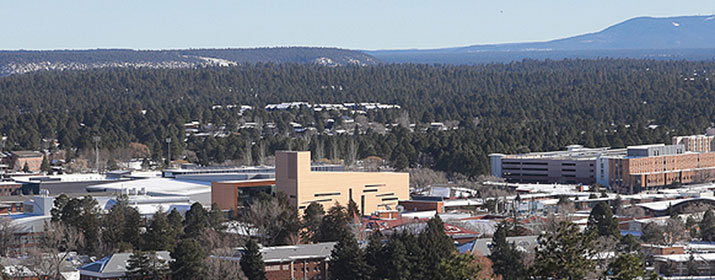
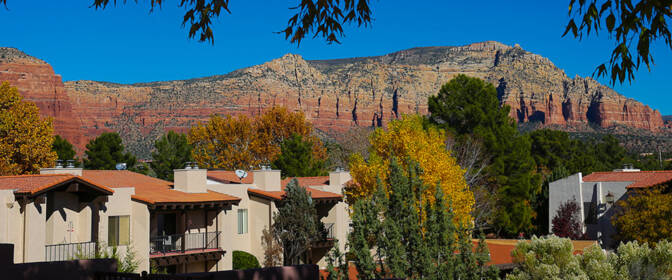
We boast some of the most beautiful and desirable vacation destinations in the state – cabins among the pines in the White Mountains and Flagstaff, large-windowed casitas revealing Sedona’s red rocks, and relaxing beachside condos on Lake Havasu, among others.
During the hot months, many homeowners likely will head to their summer stays for cooler escapes or lakeside visits.
Special care must be taken with vacation or second homes, by both owners and short-term visitors. Whether you’re getting ready for a weekend stay or closing up for the season, gas safety should be at the top of your checklist.
Two UniSource experts – Gas Supervisors Michael Boucher of Show Low and Jerome Heitzman of Cottonwood – share key gas safety tips for vacation homes.
1. Start with Carbon Monoxide Safety
The most important step is to check your carbon monoxide detectors. Carbon monoxide (CO) is a colorless, odorless, toxic gas that can be produced by an improperly operating gas furnace or other fuel-burning appliance in your home.
Owners should install detectors on all floors of a home, making sure they aren’t expired and replacing batteries every six months.
Many CO detectors have a shelf life of five to 10 years. Expired units often chirp or give false alarms, which prompt undue fear and unnecessary calls to the gas or local fire departments.
“This is your first line of defense,” said Boucher. “If an appliance starts working improperly and produces carbon monoxide, it will cause serious health problems.”
2. Keep Your Contact Information Current
If you own a vacation property or manage short‑term rentals, providing easy access to your current contact information is essential.
Gas workers, as well as others, need to know how to contact owners for any reason – access to the property, alerts for wildfires or other hazards, and service updates.
If a neighbor or a passerby notices a gas smell, leak or damage, UniSource must contact the owner for next steps. Otherwise, there may be delays in service or cutoffs.
Customers can call UniSource or access account information on MyAccount to verify information.
3. Temperature Settings Matter
When shutting down a vacation home, set water heater thermostats to vacation mode and adjust the thermostat. If the home is not winterized, the heater should be set at 55 degrees with all cupboard doors open under sinks so the water pipes don’t freeze.
That will help owners avoid high bills when no one is in the home.
4. Keep the Air Flow Clean
Changing air filters is one of the simplest – and most overlooked – ways to keep gas appliances healthy. Dust buildup is especially common in desert areas or in homes that sit unused for months.
Customers should change their furnace filters every 30 days or as directed.
Occupants shouldn’t be alarmed if they smell burning during the first furnace run of the season. Five to 10 minutes of mild burning smell is normal at which time the dust will burn off, Heitzman said.
When closing up a vacation home, users should make sure furniture isn’t obstructing air flow by blocking vents.
“You don’t’ want to block the furnace from working, and you want to make sure have plenty of air flow,” Heitzman said.
5. Care for Gas Fireplaces
Gas fireplaces are one of the biggest trouble spots in vacation rentals.
“People don’t know how to use them,” Boucher said. Occupants must make sure the damper is open when in use or else fumes can enter the home. Many times, users don’t know how to hold the pilot or turn the knobs to make sure they work properly.
Plus, gas fireplaces aren’t for heating big areas – a mistake by some occupants. “It’s not a good heat source. It’s for looks. It’s for ambience,” Boucher said.
6. Get Smart with Thermostats
It’s highly recommended that owners of vacation, rental or second homes install smart WiFi thermostats that control the natural gas forced air central heaters and fireplaces.
These thermostats can be purchased for around $100 each and give customers the power to control the settings right from your phone no matter where you are. Customers can allow guests to adjust the temperature between certain parameters – such as between 72 and 68 degrees – to ensure that tenants don’t misuse the thermostat or accidentally leave it turned way up or down.
“Doing these things translates into long term savings and longevity of those heating appliances,” Boucher said.